


Every cuisine has a rich history, from traditions passed down from generation to generation to culture nurtured within a community. The origin of hotpot reflects over 2,000 years of culinary history.
Hotpot evolved from humble beginnings along the Yangtze River in Sichuan into the communal feast we love today. Whether you’re a hotpot veteran or curious first-timer, understanding where this dish came from makes every bite more meaningful. Let’s uncover the rich Chinese hotpot history.
So, where did hotpot come from? Historically, these bronze vessels called “ran lu” (燃爐) can be traced back to the Zhou Dynasty, where nobles enjoyed personal pots heated by charcoal.
Traditionally, the concept of hotpot started along the Yangtze and Jialing rivers near Chongqing, where boat workers created an inexpensive, efficient way to eat by tossing ingredients into a spicy, communal pot. These workers added Sichuan peppercorns, dried chilli, and ginger to stay warm in damp conditions. It was then adopted by street vendors who started selling it from shared vats.
Traditional Chinese hotpot isn’t just about the food – it’s about connection.
Unlike meals where someone cooks in a kitchen, hotpot happens together at the table. You’re cooking alongside your mates, sharing ingredients, and chatting as everything simmers.
This communal aspect reflects Chinese values of harmony and togetherness. There’s something special about sitting around a pot for hours, cooking and eating at your own pace. It’s why hotpot works brilliantly for dates, family reunions, or catching up with friends you haven’t seen in months.
The interactive nature means everyone’s involved: choosing ingredients, adjusting spice levels, creating personalised dipping sauces.
The history of Chinese hotpot didn’t stay within China’s borders. Variations spread across Asia: Japan’s shabu-shabu, Thailand’s Thai suki, Malaysia’s lok lok or satay celup, Cambodia’s coconut milk-based yao hon, and Vietnam’s lẩu. Each region adapted the concept to local tastes and ingredients.
Since the 1990s, as Chinese communities grew internationally, hotpot’s popularity has exploded globally. Major Chinese chains expanded to cities across the US, Canada, and Australia, making authentic hotpot accessible worldwide.
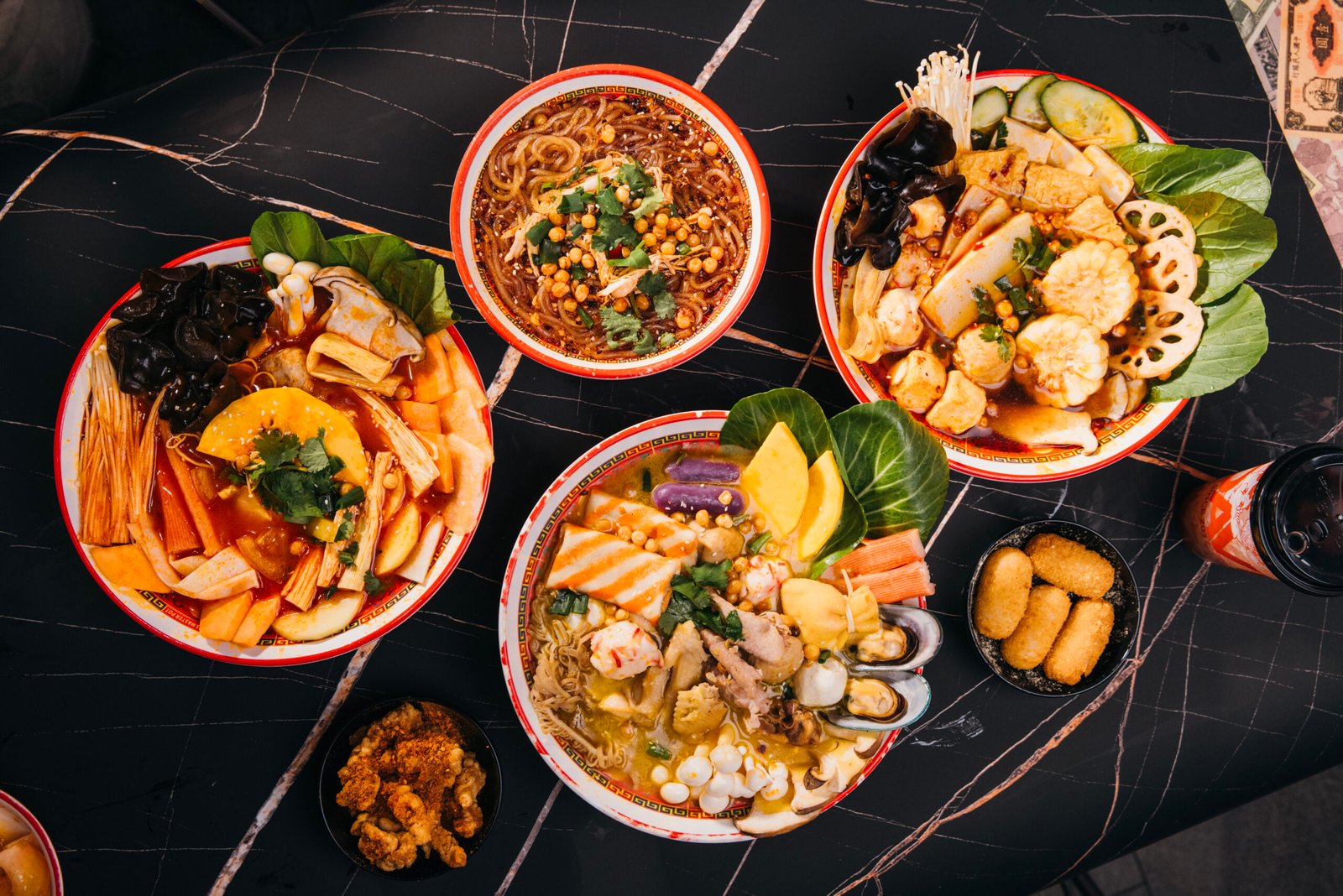
Australia’s hotpot scene has flourished, particularly in Melbourne and Sydney. David’s Master Pot arrived in Melbourne in 2018, bringing authentic Sichuan Malatang traditions to Australian diners.
What makes David’s Master Pot special? We honour the hotpot origin story by using the same techniques Sichuan river workers perfected centuries ago. Over 20 Chinese herbs and spices are stir-fried, then simmered with pork bone broth and secret chilli oil for up to 12 hours. This creates that authentic málà (numbing-spicy) flavour that defines traditional Chinese hotpot.
When you visit a Sichuan restaurant in Melbourne like David’s Master Pot, you’re tasting history – the same bold flavours that kept Yangtze River workers warm, elevated to imperial banquets, and now perfected for modern Australian diners. Whether you’re enjoying hotpot in Glen Waverley or another location, the experience connects you to centuries of culinary tradition.
The beauty of hotpot today is that it hasn’t lost its soul. It’s still about gathering friends and family around bubbling broth, still about that satisfying moment when you fish out perfectly cooked beef, still about shared stories and laughter. From ancient bronze pots to today’s Chinese hotpot dinn
We offer a variety of choices for Malatang soup base and Stir-fry spicy pot