


Thinking about opening a hotpot restaurant, but not sure where to start with budgeting? You’re not alone.
The startup costs for a hotpot restaurant in Australia typically range from $350,000-$700,000, depending on your location, restaurant size, business model, and whether you’re going independent or franchise.
This blog explores what each category involves so you can understand where your money goes.
Opening a hotpot restaurant requires more capital than a standard café or casual dining spot. Why? The specialised equipment. Restaurants with at-table cooking require built-in induction cookers, proper ventilation systems, and furniture that can handle constant heat and moisture. The average restaurant owner in Australia spends around $650,000 establishing a restaurant, and hotpot venues often sit at the higher end of that range due to their unique infrastructure needs.
The startup costs for a hotpot restaurant break down into several major categories: premises fit-out, specialised equipment, licensing, initial inventory, and working capital for your first few months.
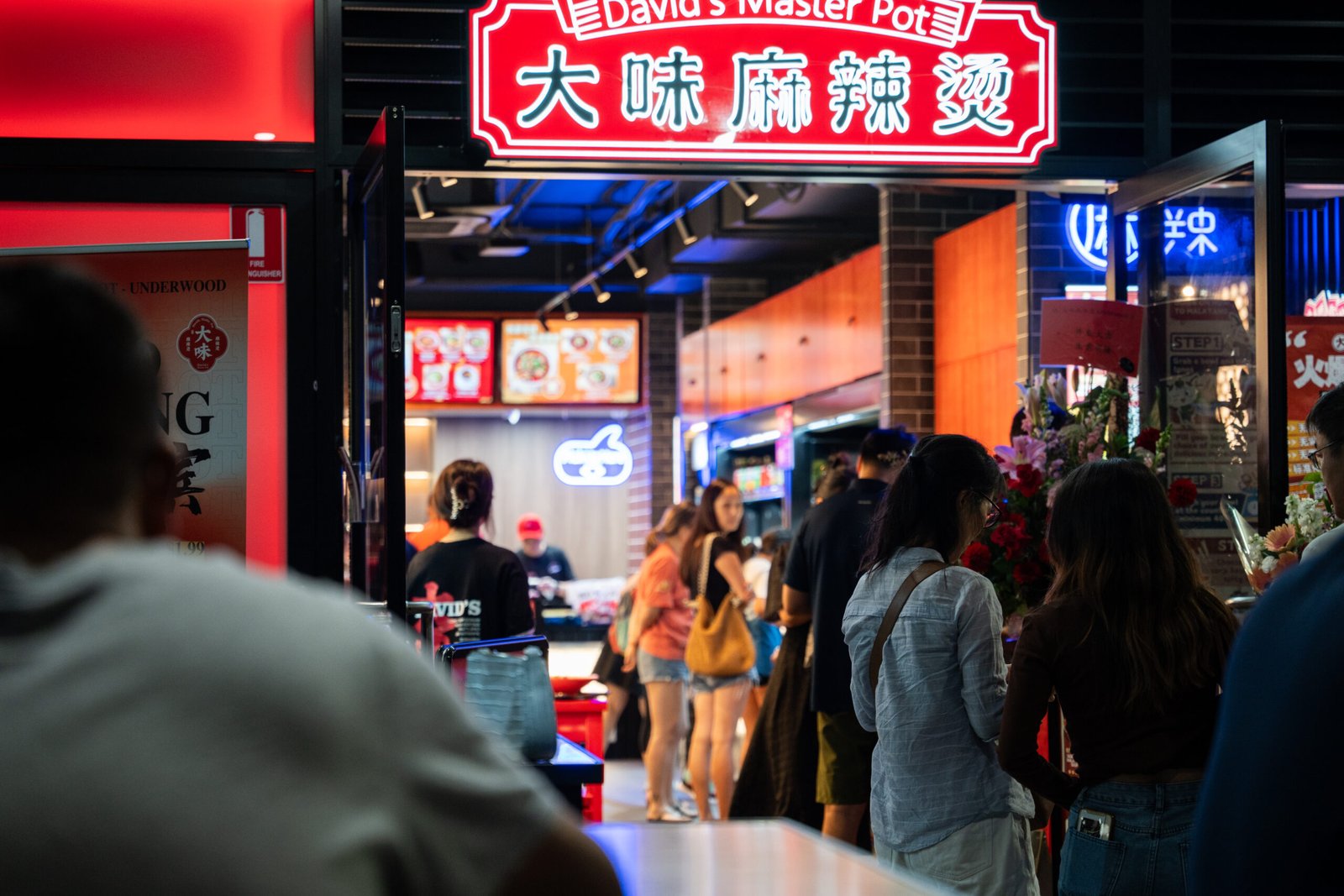
Before diving into the detailed cost breakdown, you need to understand how your chosen business model shapes your budget. The pay-by-weight model, popularised by hotpot restaurants in Melbourne like David’s Master Pot, offers some distinct financial advantages for new operators.
In a pay-by-weight hotpot restaurant, customers select their own ingredients from refrigerated displays, and you charge based on weight (typically $2.80-$3.50 per 100g in Australian markets). This model has spread rapidly across Australia since around 2017, with venues in Box Hill, Glen Waverley, and throughout Melbourne’s dining precincts.
Overall, you can potentially save $40,000-$60,000 on initial setup compared to traditional all-you-can-eat venues.
Your fit-out budget will vary based on whether you’re taking over an existing restaurant space or starting from scratch. This is typically one of the largest startup costs for a hotpot restaurant. In 2025, restaurant staff are paid an average of $22 per hour, and this scales up for senior roles.
Budget for:
This is where hotpot restaurants differ most from traditional dining venues, and it’s often the largest component of startup costs for a hotpot restaurant. Custom hotpot dining tables typically range from $280-$600 per piece, and you’ll need enough to seat your target capacity.
Traditional table-service model equipment:
Pay-by-weight model equipment:
Many operators opt for marble or granite tabletops paired with smokeless induction technology, which adds to upfront cost – but pays off in customer experience and lower maintenance.
The pay-by-weight model typically requires 20-30% less initial equipment investment because you’re not outfitting every table with built-in cookers. Instead, you invest more heavily in refrigerated displays and weighing systems.

In New South Wales, liquor licence base fees are approximately $785, whereas in Victoria, fees range from $504.30 to $1,008.60 depending on customer capacity. You’ll also need food licences, council permits, and business registration.
Generally, you’ll need to set aside costs for:
Your opening inventory will be your highest food cost outlay until you establish supply relationships and understand customer demand patterns. This is where pay-by-weight models show a significant advantage – you can start with smaller quantities and scale based on actual consumption data.
As of July 2025, the national minimum wage is $24.95 per hour for full-time and part-time adult workers. You’ll need to budget for recruiting and training staff before you open, plus at least two weeks of wages before your first revenue arrives.
Factor in:
Considering franchise opportunities? Opening a hotpot franchise can cost as much as $1,075,500, depending on the franchise you go with, the location, and the size of the franchise. Initial franchise fees typically start around $35,000-$50,000.
The right choice depends on your experience level and risk tolerance. First-time restaurateurs often find hotpot franchise opportunities provide valuable guardrails, while experienced operators may prefer the freedom of going independent.
Understanding the startup costs for a hotpot restaurant is just the beginning. Most successful operators keep a cash buffer of 6-12 months’ operating expenses – that’s typically another $100,000-$150,000 on top of your startup budget.
Smart budgeting means planning for the unexpected. Council requirements you didn’t know about, equipment that arrives damaged, or a slower-than-expected first quarter can all eat into your contingency fund quickly.
Whether you’re eyeing a spot in Melbourne’s bustling dining scene or considering a new venture in your neighbourhood, having a realistic grip on costs will help you open with confidence and stay open for the long haul.
Looking for hotpot franchise opportunities with David’s Master Pot? Get in touch with our team at franchise@davidmg.com.au.